
CTO challenges in 2026 nobody admits
CTOs talk publicly about scaling, innovation, and building great teams. Privately? The story changes. The challenges CTOs face in 2026 are rarely glamorous, and often rooted in systemic issues no one wants to admit. The role has expanded far beyond technology leadership: today’s CTO must balance innovation with efficiency, manage distributed teams, navigate talent gaps, and keep the company moving at breakneck speed. It’s a high-stress, high-reward job that often demands significant personal and professional sacrifice.
If you’re a CTO or work with one, you already know there are hidden pressures shaping the tech landscape. These struggles rarely make it into boardroom decks or press releases, but they can make or break a company.
What you'll learn:
1. What CTOs struggle with behind closed doors in 2026
2. Why talent and resource shortages are worsening, not improving
3. How distributed teams and tech debt quietly derail execution
4. What modern CTOs must change to stay effective and sane
1. The never-ending struggle with talent acquisition
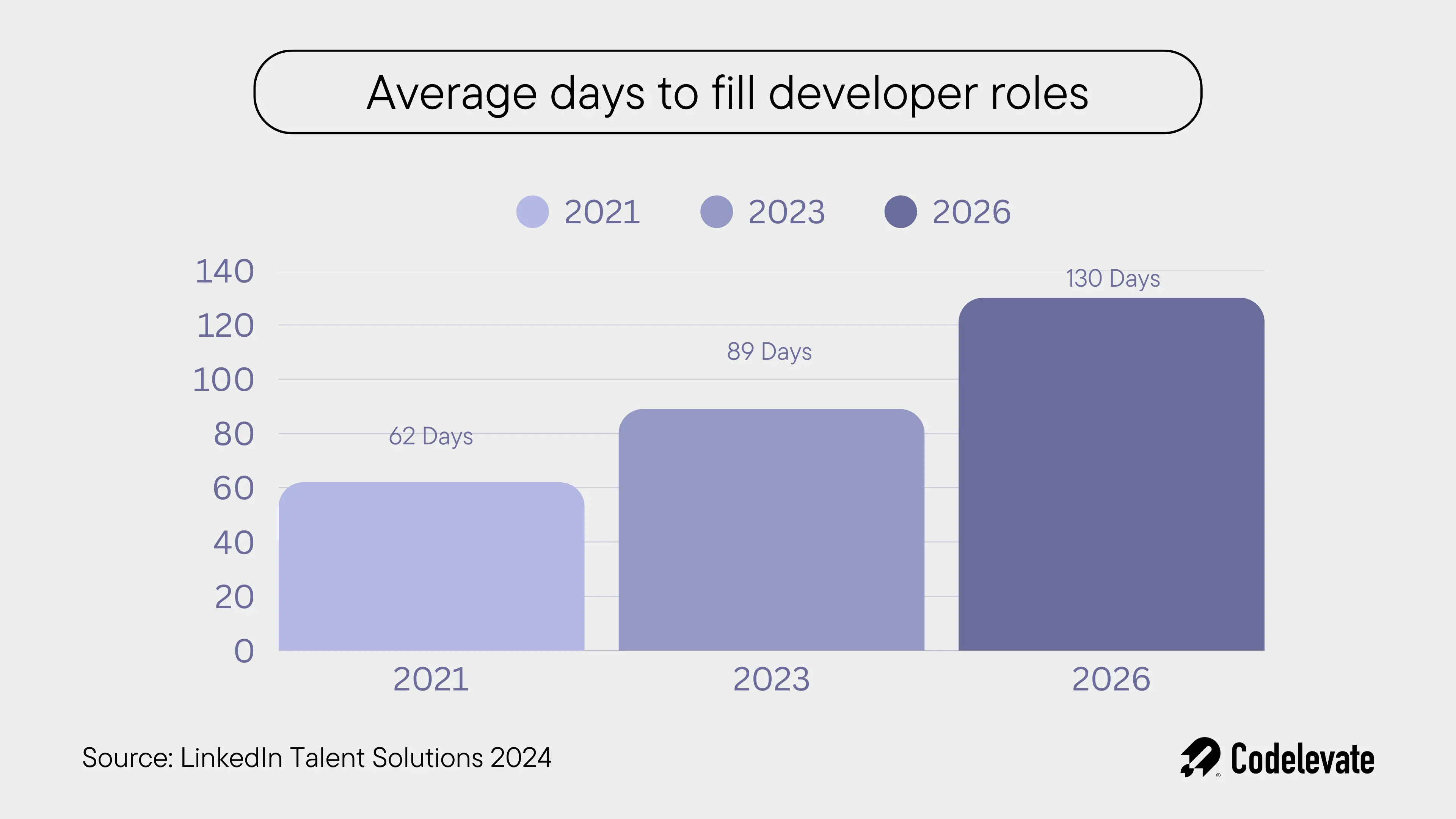
In public, it may sound like hiring is going well. In private, the reality is quite different. CTOs are constantly battling to attract the right talent. The job market in tech continues to be highly competitive, and the demand for skilled developers, especially in fields like AI and cybersecurity, continues to outstrip supply. The need for new talent is only growing as companies scale, yet hiring cycles are longer than ever.
According to Stack Overflow’s 2024 Developer Survey, 87% of tech companies report difficulty hiring senior developers. The truth that few are willing to admit is that CTOs are finding themselves struggling not only with the time it takes to fill roles but also with the quality of candidates. Traditional hiring methods just don’t work anymore. If you’re still relying on outdated practices like waiting for applicants to come to you, you’re behind the curve. The secret that many CTOs aren’t sharing is that the most successful are building diverse, global teams. Whether it's tapping into global talent pools or working with tools like GitHub Jobs, they are making their hiring strategies more agile.
2. Keeping up with budget constraints while delivering innovation
Another uncomfortable truth is that CTOs are often expected to deliver world-class innovation, but with a startup’s budget. Whether you’re running a Series A startup or managing an established business, your budget rarely reflects the level of excellence expected from your engineering team. Most CTOs have had to make tough decisions: scaling back on features, deferring tech upgrades, or simply working with fewer resources.
It’s a fine line. The board wants innovation, but they also want cost-efficiency. This results in the dilemma that many CTOs face: they’re pressured to build at a fast pace, but with limited financial backing. To navigate these pressures, many CTOs turn to cloud cost management tools that help keep expenses in check while scaling operations. Adapting and being flexible with these resources can mean the difference between staying ahead of the curve and burning out.
3. The silent issue of tech debt
In public, CTOs often boast about the robustness of their system architecture, but in private, many are struggling with technical debt. Tech debt is like a silent enemy that grows over time, often unnoticed until it becomes a major issue. New features and functionalities are prioritized, leaving the underlying system to accumulate flaws. A CTO’s ability to manage this debt while keeping innovation flowing is one of their most underappreciated challenges.
Many teams today are focusing on paying down their tech debt, but this requires strategic decision-making. The real challenge is balancing the need to maintain a stable, scalable system while still delivering the next big thing. As a solution, many CTOs are turning to tools like Jira to help prioritize and manage their teams’ work more efficiently, avoiding the worst-case scenario of crippling system failures down the road.
4. Remote work: A double-edged sword
Remote work has become the norm for many companies in 2026, but it brings with it a host of unique challenges. Communication, collaboration, and team cohesion are far harder to manage in a virtual environment, especially when teams are spread across multiple time zones. This can lead to delays, misunderstandings, and burnout among team members.
What CTOs often don’t admit is that managing a distributed team is incredibly taxing. The tools are there, but the real challenge is making sure everyone is aligned and working toward the same goals. Whether it’s using communication tools like Slack or project management platforms like Trello, it’s crucial that CTOs find the right balance to keep their teams engaged and productive.
5. Fighting burnout and retention
One of the toughest challenges for CTOs is ensuring that their teams stay motivated and engaged. The tech industry is notorious for burnout, and the pressure to perform can be overwhelming. CTOs are often stuck in a vicious cycle where they constantly hire new talent, only to lose them shortly after, creating a revolving door of engineers.
Employee retention is a growing concern for many CTOs. One of the best ways to keep top talent is by investing in professional development and creating a work environment that values work-life balance. Companies like GitLab have excelled in building cultures that embrace flexibility, which is key in retaining valuable employees.
6. The growing challenge of cybersecurity
As we head into 2026, cybersecurity is an issue that no CTO can afford to ignore. With the rise of AI, IoT, and cloud infrastructure, the risk of cyber-attacks is higher than ever before. A breach can cripple a company’s reputation and finances in an instant. The challenge for CTOs is finding the right balance between security and user experience.
The truth that many CTOs don’t openly discuss is how overwhelming it can be to stay ahead of potential threats. Investing in robust security tools and platforms like Okta is critical to mitigating these risks and protecting the company from evolving threats.
7. Navigating the pressure from the board and investors
Finally, there’s the constant pressure from investors and the board to perform. As a CTO, it’s often up to you to manage expectations. Investors want results, but they don’t always understand the technical complexities involved. Balancing this pressure while ensuring the team has the resources they need can be one of the most difficult aspects of being a CTO in 2026.
The most successful CTOs are those who can bridge the gap between technology and business strategy. By leveraging data analytics platforms like Tableau, CTOs can provide measurable outcomes that demonstrate their team’s value and ensure the long-term success of the company.
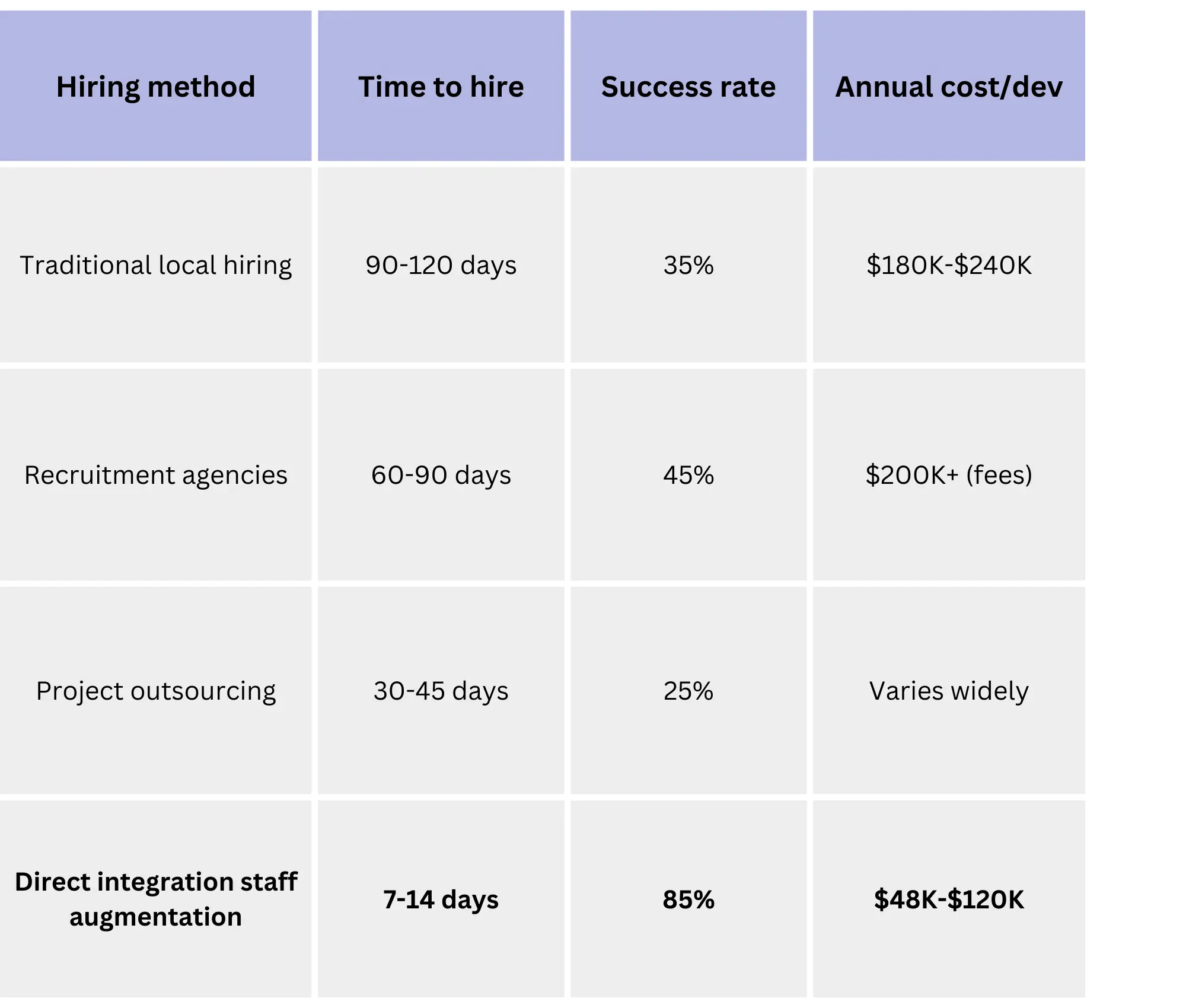
A different strategy delivers completely different outcomes when scaling engineering teams, especially when you compare the true costs.
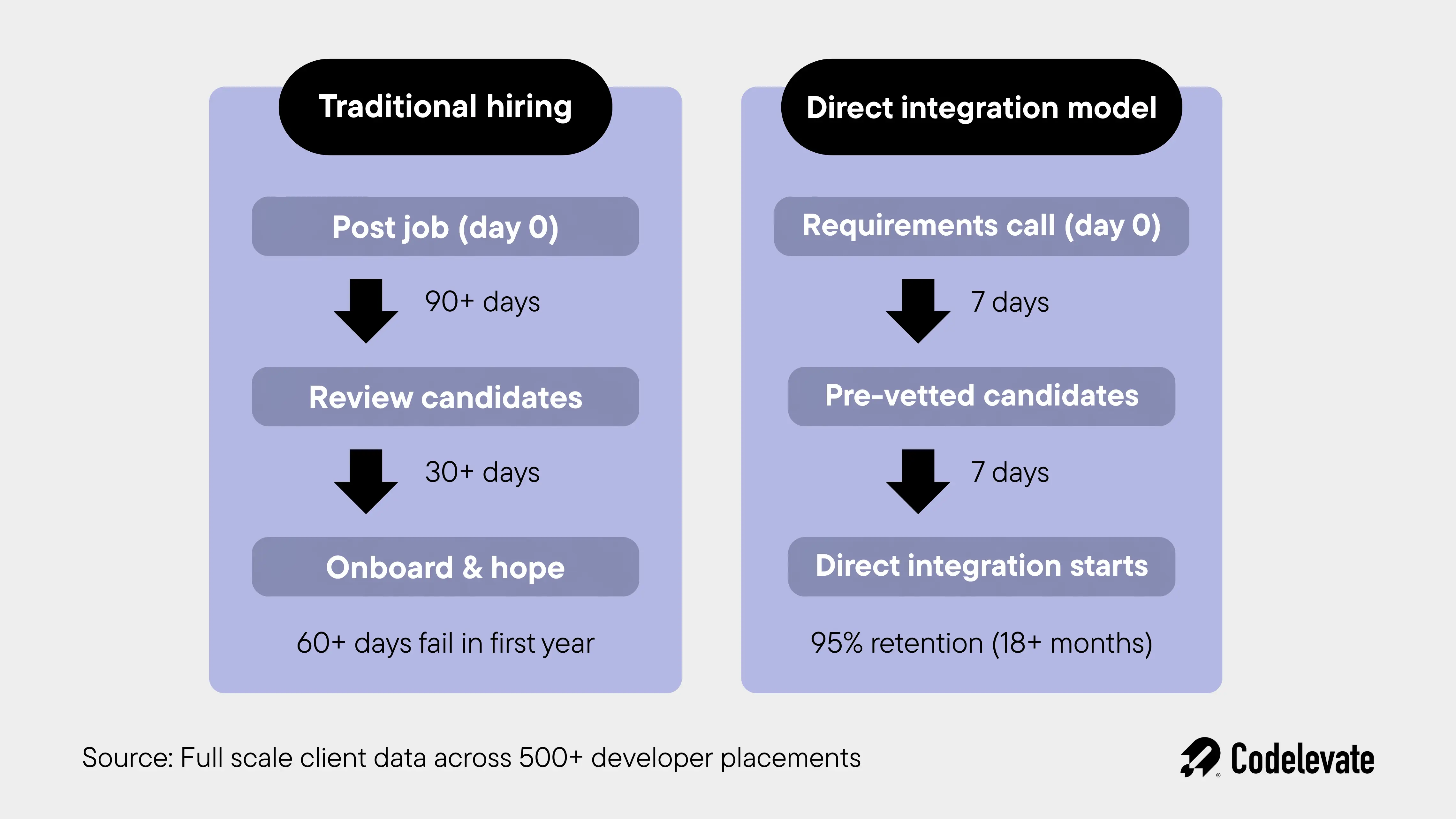
How top CTOs are solving 2025’s toughest problems
The CTOs who win aren’t the ones with the biggest budgets, they’re the ones who stopped following broken hiring rules.
What works now:
• Hire globally → 650K+ devs in the Philippines, 97% English proficiency
• Integrate directly → No agencies, no middlemen
• Optimize for retention → 95% retention over 18+ months (Oct 2024 audit)
Real story: A SaaS CTO spent 127 days with zero hires. We placed his first dev in 11 days, grew to 6 devs in 3 months, and kept 100% retention for 22 months. He fixed hiring, retention, and resource scarcity at once.
Why staff augmentation wins where traditional hiring fails
Local hiring: You carry all the burden – recruiting, payroll, benefits, risk.
Project outsourcing: Agencies own the devs; you get middlemen and churn.
Platforms: Devs juggle multiple clients. Zero focus.
Direct-integration staff augmentation:
You manage the team. We handle recruiting, payroll, and retention.
Developers work only for you – your Slack, your standups, your roadmap.
Best for:
• Clear roadmaps
• Async-friendly teams
• Long-term needs (6+ months)
• Full control
Not ideal for:
• On-site daily presence
• Vague, shifting scopes
• Short-term 1–2 week engagements
Conclusion
Being a CTO in 2026 is far more than leading tech teams – it’s navigating a maze of hiring issues, budget limits, tech debt, remote work challenges, and constant security risks. Every CTO deals with these pressures, even if they’re rarely discussed openly. The ones who thrive are the ones who adapt: they choose the right tools, protect their teams’ well-being, and stay focused on what truly matters. To succeed in 2026, build systems that support your people, stay flexible, and keep learning. The job isn’t easy, but facing these unspoken challenges head-on is what ultimately drives great companies forward.



.svg)
.svg)


